Commercial Metal Roof Coating
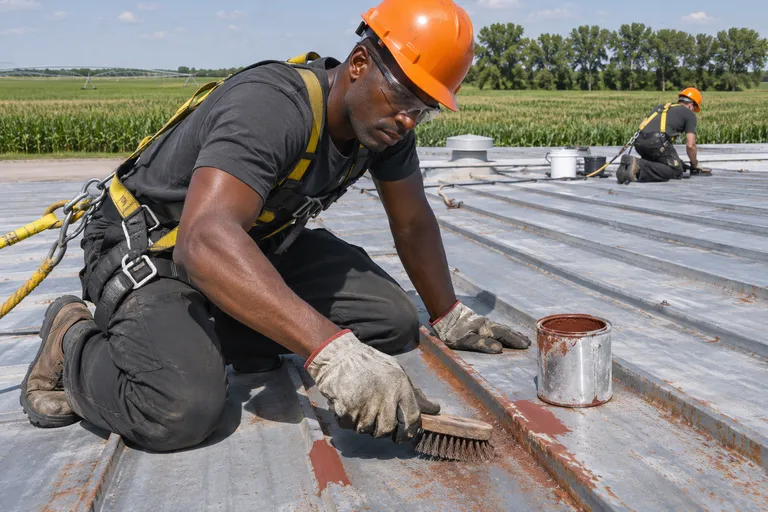
Full steel restoration covers rust, screws, and laps before any coating choice.
Grand Island commercial metal roof coating
Acrylic Coating
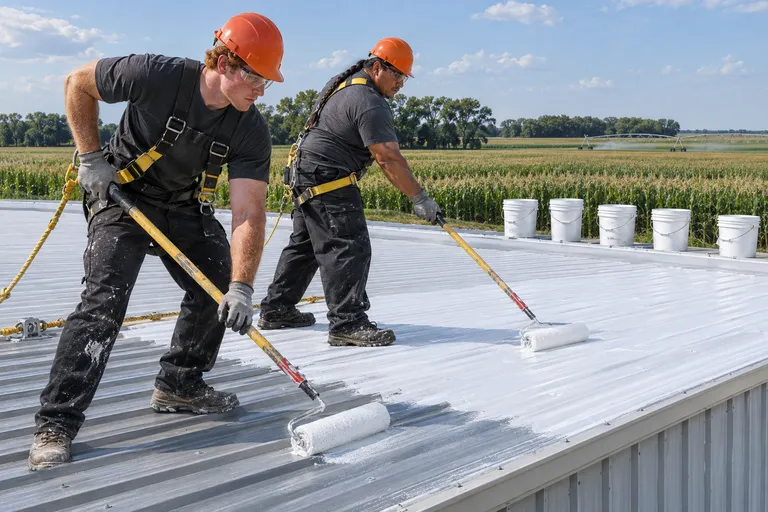
As a Grand Island acrylic roof coating contractor, we roll and spray water-based acrylic over primed steel roofs that shed water, scheduling the work for warm, dry weeks.
Applied between spring and fall freezes
Two passes, contrasting colors
Rust primer under every coat
Easy acrylic recoats later
Grand Island acrylic roof coating works best on roofs that drain. Here is how acrylic lines up against the other options for common roofs.
| Roof Condition | Acrylic | Silicone | Foam + Coat |
|---|---|---|---|
| Standing-seam panels on a real pitch | Usually fits | Sometimes fits | Rarely fits |
| Exposed-fastener shop roof, good drainage | Usually fits | Sometimes fits | Rarely fits |
| Low eave that holds water | Rarely fits | Usually fits | Sometimes fits |
| Existing acrylic, worn thin | Usually fits | Sometimes fits | Rarely fits |
| Work needed in November | Rarely fits | Sometimes fits | Rarely fits |
Acrylic goes on sloped metal that has started to age. These are the conditions it is used to correct.
Factory paint on older panels turns powdery in the sun. After washing, acrylic bonds to the clean steel and restores a light, reflective surface.
Ribs and laps show the first rust on aging steel. Those spots get wire-brushed and primed so acrylic covers metal that has stopped corroding.
Hardened washers let water past each screw head. Screws get tightened or replaced and capped with sealant before acrylic goes over the rows.
Wide gaps at side and end laps are more than any liquid coat can bridge. Fabric set in mastic closes them first, and the coating then covers the fabric.
Water that sneaks under thin, old coating freezes and lifts it in winter. Removing the loose material and sealing laps keeps new acrylic attached.
Old coating worn down to the base coat can be cleaned and recoated with more acrylic instead of being stripped, as long as it still grips the panels.
Acrylic is the choice for drained, sloped steel. The table shows where the other systems take over.
| System | Best On | Prep Before Coating | Recoat Path |
|---|---|---|---|
| Acrylic | Sloped, fast-draining metal panels in warm months | Wash, rust primer, fabric at laps and screws | More acrylic, no stripping |
| Silicone | Low eaves, gutters, and ponding sections | Wash, primer, silicone-compatible sealant | Silicone only |
| Spray Foam + Coating | Roofs that need insulation added | Dry deck, masking, foam thickness checks | Recoat the top coat |
On sloped steel, acrylic gives these results for the cost.
Later maintenance coats bond well to aged acrylic, so the roof can be cleaned and renewed instead of stripped.
White acrylic reflects summer sun off panels that would otherwise run hot over the shop floor.
The film stays flexible as steel grows in July heat and shrinks in January cold, which keeps laps from cracking open under the coating.
Per gallon, acrylic often costs less than silicone, which matters on large, well-drained roofs where ponding is not a factor.
Call us before the rust spreads past the ribs. Spring and summer slots fill first for acrylic work.
(402) 407-4082Acrylic cures by drying, so the weather sets the pace. The steps stay the same on every roof.
We check slope and drainage, test old paint for chalking, measure rust on ribs and laps, and confirm nothing on the roof holds water long enough to soften acrylic.
A pressure wash clears chalk and dirt. Bare and rusted steel gets a rust-inhibiting primer, and the roof dries fully before the next step.
Fabric and mastic go over wide laps, and every screw row gets sealant. These details carry most of the water on a sloped roof.
Two passes go on in contrasting colors so missed spots show. Each coat dries before the next, and no work goes on with rain, dew, or frost expected that night.
If acrylic does not fit every section of the roof, one of these will. Most buildings mix two systems at most.
Full steel restoration covers rust, screws, and laps before any coating choice.
Grand Island commercial metal roof coating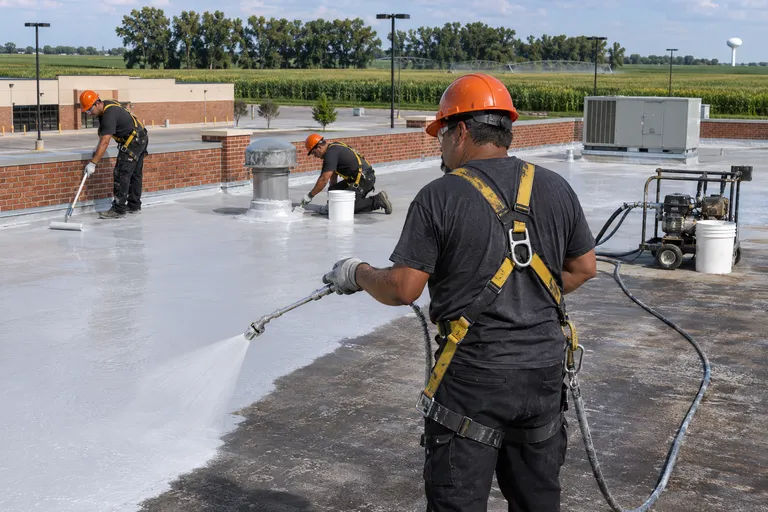
Flat gutters and low eaves on the same roof can get silicone instead.
Grand Island silicone roof coating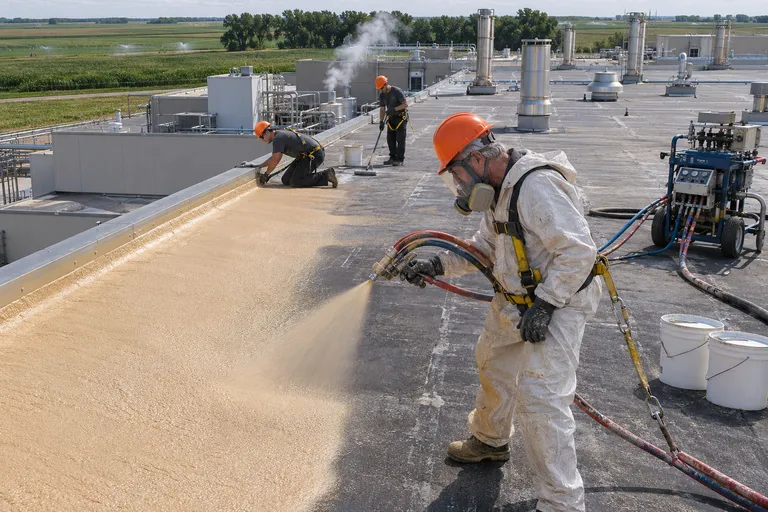
Buildings that need insulation added can take foam with a coating on top.
Grand Island spray foam roofing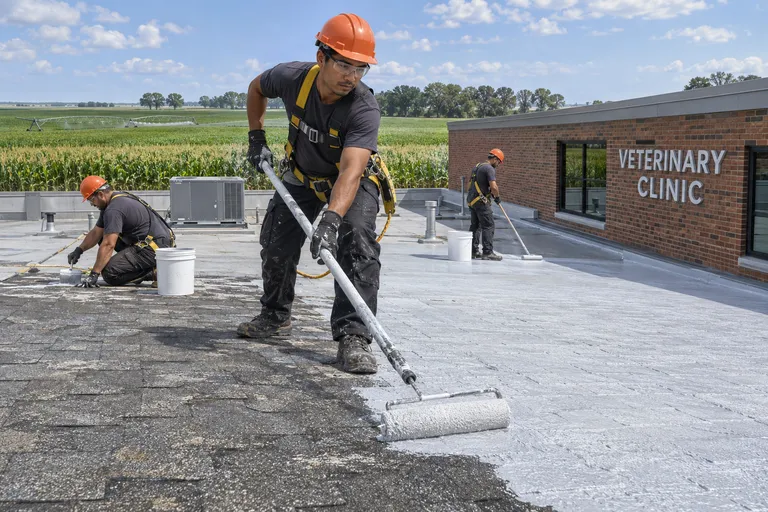
Asphalt shingle sections on the same property follow a separate inspection.
Grand Island shingle roof coatingTiming and durability come up on every acrylic job.
Lifespan
Thickness, drainage, and a full cure before the first cold night set how long it lasts.
Acrylic holds up well on sloped steel that sheds water. Standing water softens it, so wet spots wear first. Cleaning and a recoat before the base coat wears through keep it in service.
Timing
From late spring through early fall, while nights stay above freezing.
NWS Hastings lists Grand Island's average last spring freeze as April 26 and average first fall freeze as October 10. Acrylic needs warm, dry hours to cure, and dew, rain, or frost before it sets can wash it off or weaken it.
Metal Roofs
Yes, on primed panels that drain well.
Acrylic flexes as steel expands in summer and contracts in winter. Rusty areas need a rust-inhibiting primer first, and exposed screws and laps need reinforced sealant because acrylic alone will not bridge wide gaps.
Coat Count
Two, often in contrasting colors so any missed spot shows.
Acrylic carries more water than many silicones, so it takes more wet film to reach the required dry thickness. Each coat dries before the next, and cost stays inside the $2.50 to $4.00 per square foot planning range.
Winter
They stress the film at seams, gutters, and screws.
NWS Hastings lists Grand Island's normal seasonal snowfall at 27.7 inches. Meltwater that refreezes at cold eaves lifts poorly attached coating, so laps and screws are sealed fully before coating and gutters are kept clear.
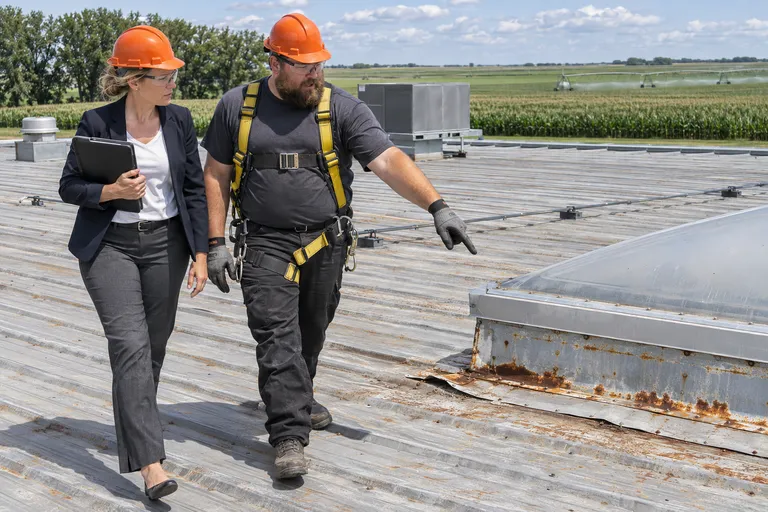
Get on the schedule before the warm months fill. Send the roof size or call, and we will plan the acrylic around the weather.